
Retesting in progress
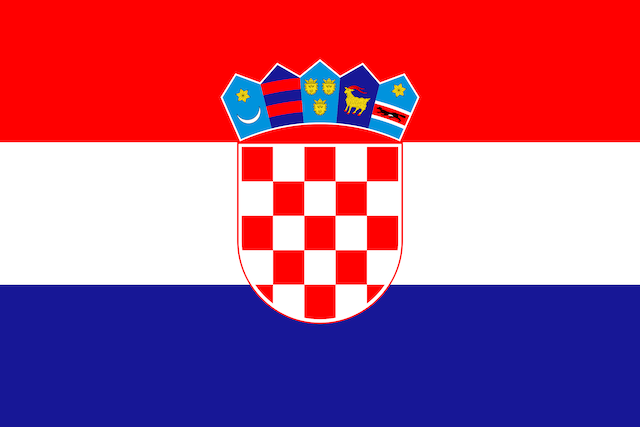
YachtFlags.com provides high quality courtesy flags that are manufactured in durable Knitted Polyester fabric. Knitted so that the fabric itself does not deteriorate in the constant movement that marine flags are usually exposed to, and polyester so that the flag does not weaken in the strong UV-light usually found in the main sailing areas of the world.
YachtFlags.com offers a discount to Noonsite members.
Use the coupon code NOONSITE-5A2B when checking out to get 10% off today.
YachtFlags.com provides high quality courtesy flags that are manufactured in durable Knitted Polyester fabric. Knitted so that the fabric itself does not deteriorate in the constant movement that marine flags are usually exposed to, and polyester so that the flag does not weaken in the strong UV-light usually found in the main sailing areas of the world.
YachtFlags.com offers a discount to Noonsite members.
Use the coupon code NOONSITE-5A2B when checking out to get 10% off today.
YachtFlags.com provides high quality courtesy flags that are manufactured in durable Knitted Polyester fabric. Knitted so that the fabric itself does not deteriorate in the constant movement that marine flags are usually exposed to, and polyester so that the flag does not weaken in the strong UV-light usually found in the main sailing areas of the world.
YachtFlags.com offers a discount to Noonsite members.
Use the coupon code NOONSITE-5A2B when checking out to get 10% off today.

Croatia has a universal health care system which is well developed. There are reciprocal health arrangements for EU citizens.
Nationals from EU countries must carry their European Health Insurance Card (EHIC) with them to benefit from this agreement. Healthcare costs for tourists from a country that does not have a signed convention with Croatia are paid directly by the user at the time of service.
Tourists in larger localities are referred to health centres (dom zdravlja), where they can receive basic care for co-payment using their European Health Insurance Card (EHIC). When necessary, tourists are directed to the nearest hospital (bolnica) in major cities.
Choose a Croatian Health Insurance Fund (HZZO) agreed doctor or dentist, present your European Health Insurance Card, and receive free physician and emergency dental treatment, however, a client fee is charged. A referral is usually required in Croatia to consult a specialist.
It can be expensive if you need to be evacuated. Make sure you have comprehensive travel insurance.
There are decompression chambers in Dubrovnik, Split, Rijeka and Pula.
There are some 200 doctors in Croatia trained in diving medicine and skilled to deal with diving emergencies. Most of them live and work along the coast and on the islands of the Croatian Adriatic. They can be reached dialing "194", the unique phone number for medical emergencies on land in Croatia. Dialing this number you will reach the nearest urgent medicine facility in the area, and get an advice or help.
For medical assistance at sea contact MRCC Rijecka (SAR) - "195"
Make sure your routine vaccinations are up to date.
Vaccinations against Hepatitis A and B are recommended for unvaccinated travelers.
There is a risk of Tick-borne Encephalitis (TBE) in some areas of this country. Vaccination may be considered for visitors who will be participating in outdoor activities where ticks are likely to be present.
Tick-borne Encephalitis (as of 12 November 2023) - Highest risk reported in northeastern and northwestern regions, with lower risk in central mountainous region and only sporadic cases reported from Adriatic coastal region. Most cases reported from Koprivnica-Krizevci, Medimurje, and Bjelovar-Bilogora counties.
The Centers for Disease Control and Prevention website provides more information.
There is a risk of insect or tick-borne diseases in some areas of Southern Europe. This includes diseases such as Crimean-Congo Hemorrhagic fever and leishmaniasis.
Visitors can bring medicine containing drugs for personal use up to 5 days, provided they have necessary medical documentation, such as prescriptions, medical history transcripts, or certified physician's certificates.
The Croatian government website offers additional details on importing medicine.
See Emergencies.
Dial 112 in an emergency for English-speaking assistance.
Useful Link:
Last updated: April 2025
If you have information for this section, or feedback on businesses used, please let us know at editor@noonsite.com. We also welcome new information about businesses you have used (see Related Businesses).

As a free member or guest you are restricted to 3 formalities per month. You have viewed 0 formalities this month. Please login, register or upgrade your membership to view more.
Note: you can still view formalities you have already viewed this month without counting towards your monthly limit.