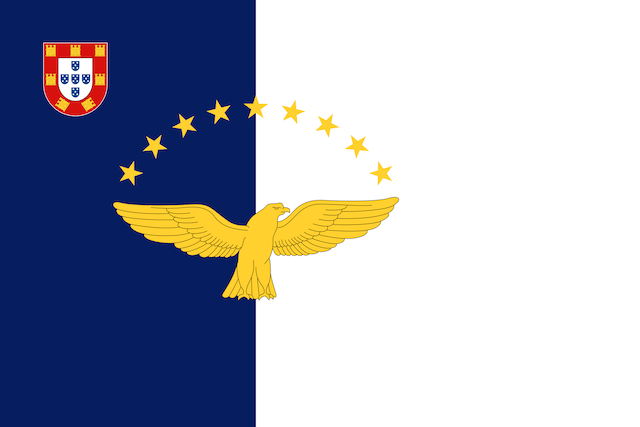
YachtFlags.com provides high quality courtesy flags that are manufactured in durable Knitted Polyester fabric. Knitted so that the fabric itself does not deteriorate in the constant movement that marine flags are usually exposed to, and polyester so that the flag does not weaken in the strong UV-light usually found in the main sailing areas of the world.
YachtFlags.com offers a discount to Noonsite members.
Use the coupon code NOONSITE-5A2B when checking out to get 10% off today.
YachtFlags.com provides high quality courtesy flags that are manufactured in durable Knitted Polyester fabric. Knitted so that the fabric itself does not deteriorate in the constant movement that marine flags are usually exposed to, and polyester so that the flag does not weaken in the strong UV-light usually found in the main sailing areas of the world.
YachtFlags.com offers a discount to Noonsite members.
Use the coupon code NOONSITE-5A2B when checking out to get 10% off today.
YachtFlags.com provides high quality courtesy flags that are manufactured in durable Knitted Polyester fabric. Knitted so that the fabric itself does not deteriorate in the constant movement that marine flags are usually exposed to, and polyester so that the flag does not weaken in the strong UV-light usually found in the main sailing areas of the world.
YachtFlags.com offers a discount to Noonsite members.
Use the coupon code NOONSITE-5A2B when checking out to get 10% off today.

Pre-Arrival Boat: As you approach the islands, before entering the harbour, make contact with the marina/harbour authorities on VHF Ch. 16 (in Horta Ch. 09). They can provide you with anchoring/berthing instructions during working hours. See Clearance for details.
Pre-Arrival Crew: Many nationalities can visit for up to 90 days in a six month period with no visa required. See Immigration for details.
Where can I enter? Ports of entry for yachts arriving from outside the EU are on the islands that have international airports. That is: Faial - Horta, Sao Miguel - Ponta Delgada and Terceira - Praia da Vitoria and Angra do Heroismo.
Are fees high to enter by yacht? There is a lighthouse tax – see Fees for details.
What security concerns should I know about? The crime rate is very low in the Azores, but cruisers have reported isolated incidents. See Security for more info.
If you have information for this section, or feedback on businesses used, please let us know at editor@noonsite.com. We also welcome new information about businesses you have used (see Related Businesses).


As a free member or guest you are restricted to 3 formalities per month. You have viewed 0 formalities this month. Please login, register or upgrade your membership to view more.
Note: you can still view formalities you have already viewed this month without counting towards your monthly limit.