
Retesting in progress
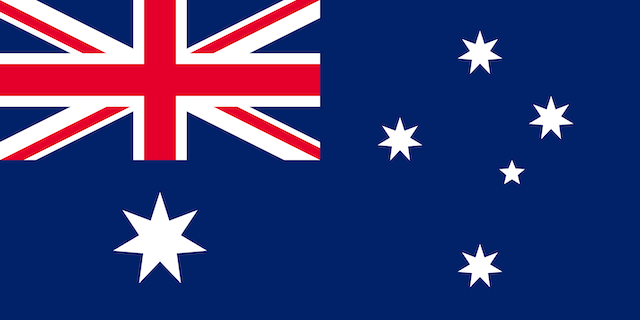
YachtFlags.com provides high quality courtesy flags that are manufactured in durable Knitted Polyester fabric. Knitted so that the fabric itself does not deteriorate in the constant movement that marine flags are usually exposed to, and polyester so that the flag does not weaken in the strong UV-light usually found in the main sailing areas of the world.
YachtFlags.com offers a discount to Noonsite members.
Use the coupon code NOONSITE-5A2B when checking out to get 10% off today.
YachtFlags.com provides high quality courtesy flags that are manufactured in durable Knitted Polyester fabric. Knitted so that the fabric itself does not deteriorate in the constant movement that marine flags are usually exposed to, and polyester so that the flag does not weaken in the strong UV-light usually found in the main sailing areas of the world.
YachtFlags.com offers a discount to Noonsite members.
Use the coupon code NOONSITE-5A2B when checking out to get 10% off today.
YachtFlags.com provides high quality courtesy flags that are manufactured in durable Knitted Polyester fabric. Knitted so that the fabric itself does not deteriorate in the constant movement that marine flags are usually exposed to, and polyester so that the flag does not weaken in the strong UV-light usually found in the main sailing areas of the world.
YachtFlags.com offers a discount to Noonsite members.
Use the coupon code NOONSITE-5A2B when checking out to get 10% off today.

Some costs for medical care in Australia may be covered if your country has a Reciprocal Health Care Agreement with Australia. More information and a list of countries are available from the Australian Government's Department of Human Services website. Go to a Medicare Office (look on the internet), take your passports and visas, and you can sign up there and then and be given a temporary Medicare card to use. You need to provide an Australian address. If you don’t have an Australian bank account for them to reimburse you into, then just make sure you go to any doctor who ‘bulk bills’ (they normally advertise this). The surgery then makes the claim for you and you don’t have to hand over any money.
The following are recommended for visits to Australia: hepatitis A, hepatitis B, rabies, Tdap (tetanus, diphtheria and pertussis).
While yellow fever is not present in Australia, proof of yellow fever vaccination may be required if arriving from a country where yellow fever is present.
There is a risk of contracting Japanese encephalitis in Australia. The infection is mosquito-borne, meaning all it takes is one bite to become infected. The infection is most common in rural areas.
Ciguatera fish poisoning (CFP) is a foodborne illness caused by consuming fish contaminated with ciguatoxins, which are produced by dinoflagellates that live on coral reefs. While reports of CFP in Australia are not widespread, it is still a concern, particularly in areas with active coral reef ecosystems.
Carolyn Shearlock from The Boat Gallery has written a cautionary article to raise awareness about Ciguatera after speaking with many cruisers who were not aware that eating reef fish can make you sick.
Irukandji, box jellyfish and bluebottles are often responsible for stings along the Queensland and Northern Territory coasts with some beaches often closed at various times during the year due to their presence. The box jellyfish contain "one of the most powerful toxins known to man". Be aware of the symptoms of a sting from any of these sea creatures and seek treatment immediately if a sting is suspected.
Do not underestimate the aggressiveness of the crocodiles! It is advisable to use a hard dinghy in areas where they are about, particularly NW Australia, Northern Territory and Queensland waters.
Most areas where threats occur are signposted, but check with local authorities first before swimming, diving or snorkelling in areas where you are not sure.
Australia has a reputation for shark attacks due to the fact that many Australians and tourists visit the country's beaches every year. Sharks often occur close to beaches when they come in looking for prey. They may be following schools of fish or looking for cooler water nearer the coast where there is likely to be more food.
The Taronga Conservation Society Australia reports that in the 10 years between 2013 and 2023 there were, on average, 20 shark incidents each year where people were injured. There were on average 2.8 fatalities each year and seven incidents where the person was uninjured. In 2023 there were 4 fatal shark bites in Australia. Over the same period Surf Life Saving Australia reported 125 coastal drowning deaths and there were 1,266 fatalities on Australian roads over the same period.
Last updated: April 2025
If you have information for this section, or feedback on businesses used, please let us know at editor@noonsite.com. We also welcome new information about businesses you have used (see Related Businesses).

As a free member or guest you are restricted to 3 formalities per month. You have viewed 0 formalities this month. Please login, register or upgrade your membership to view more.
Note: you can still view formalities you have already viewed this month without counting towards your monthly limit.